

Crooked or misaligned teeth are one of the most common reasons people book a dental assessment. In the past, metal braces were the only realistic option for straightening teeth. Today, many adults and older teenagers ask specifically about clear aligners instead. So, what is Invisalign, and how does it actually work?
What Is Invisalign?
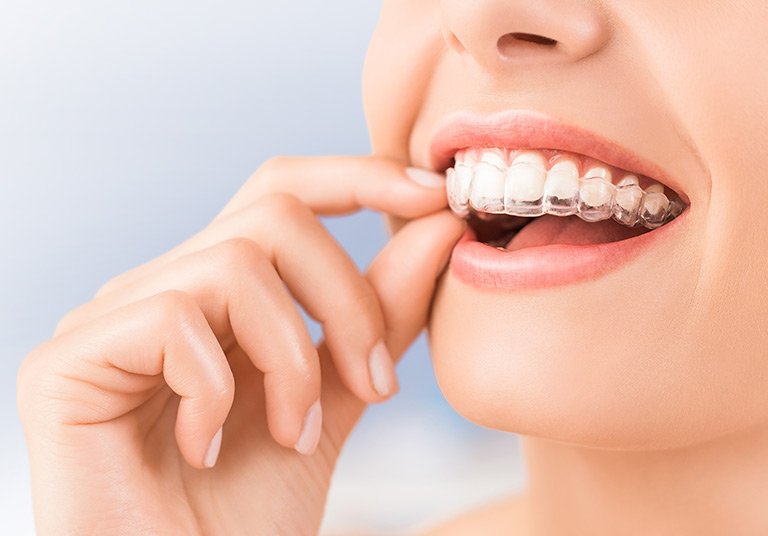
Invisalign is a system of clear, removable aligners used to gradually move teeth into a straighter position. Rather than using fixed metal brackets and wires, the treatment relies on a series of custom-made plastic trays that are worn in a specific sequence.
Each set of aligners is worn for a set number of days before moving on to the next in the series. Over time, this gradual movement shifts the teeth toward the position mapped out in the treatment plan.
This approach is often used to treat:
- Mild to moderate crowding
- Gaps between teeth
- Certain bite issues, such as mild overbites, underbites or crossbites
- Relapse after previous orthodontic treatment
The right treatment depends on the complexity of the case, which is why a dental assessment and digital scan are usually the starting point.
How Does Invisalign Work?
Treatment usually begins with a consultation, followed by digital scans and, in some cases, 3D imaging of the teeth and bite. This information is used to plan the exact movement of each tooth throughout treatment.
From there, a series of custom aligners is produced. Each one is worn for approximately one to two weeks before being replaced with the next in the series, gradually guiding the teeth into their planned position.
Because this method uses modern digital planning rather than manual wire adjustments, it is often possible to preview an approximate outcome before treatment begins. This does not replace the value of an in-person assessment, but it can help people understand what changes are realistic for their case.
Is This Treatment Right for Everyone?
Clear aligners can be suitable for many cases of misalignment, but they are not automatically the right choice for every situation. A dentist may recommend traditional braces instead if the case involves more complex bite correction or significant tooth movement.
Some factors that may affect suitability include:
- The severity of crowding or spacing
- Whether the bite needs significant correction
- Commitment to wearing aligners as instructed
- Oral hygiene habits, since aligners need to be removed for eating and cleaning
For children and younger teenagers, interceptive orthodontics or traditional braces may be considered instead, depending on how the teeth and jaw are developing. In some cases involving more complex tooth movement, a dentist may discuss options such as braces with TADs or Damon braces.
A dental assessment is the only reliable way to know which option suits your teeth and bite.
Benefits of Clear Aligner Treatment
People often ask about this option because of how it fits into daily life. Some commonly discussed benefits include:
- Removable design – aligners can be taken out for eating, brushing and flossing
- Discreet appearance – the clear plastic is less noticeable than metal brackets
- Smoother surface – there are no brackets or wires that can irritate the cheeks or lips
- Predictable planning – digital scans allow the treatment to be mapped out in advance
It is worth noting that results vary between individuals, and how closely someone follows the recommended wear time can affect how treatment progresses.
What to Expect During Treatment
Wearing the Aligners
For the aligners to work as planned, they generally need to be worn for around 20 to 22 hours a day, only being removed for eating, drinking anything other than water, and cleaning the teeth.
Some mild pressure or tightness is common when switching to a new aligner in the series. This is usually temporary and tends to ease within a day or two.
Review Appointments
Progress is typically checked at intervals throughout treatment. This allows a dentist to confirm the teeth are moving as expected and to make any adjustments to the plan if needed.
Caring for Your Teeth During Treatment
Good oral hygiene remains important throughout treatment. This can include:
- Brushing and cleaning the aligners as advised
- Avoiding eating with the aligners in place
- Storing aligners properly when removed
- Keeping up with regular dental check-ups
After Treatment
Once the planned movement is complete, a dentist may recommend a retainer to help hold the teeth in their new position. Teeth can shift over time without ongoing retention, so this stage is often considered part of the overall treatment.
When to Book a Dental Assessment
It is best to book a dental assessment if you are noticing crowding, gaps, or changes in your bite and would like to understand your options. An assessment usually involves a clinical examination along with digital scans to help plan treatment accurately.
This is also a sensible next step if you have previously had braces and have noticed some relapse, or if you are simply unsure whether clear aligners or traditional braces would better suit your case.
Final Thoughts
Clear aligner treatment offers a discreet, removable approach to straightening teeth, but it is not a one-size-fits-all solution. The right option depends on individual factors such as the complexity of the misalignment, the bite, and personal preferences around daily wear.
At Dr Maya Dental Clinic, Invisalign treatment is offered as part of a wider range of orthodontic options, supported by digital scans and modern dental technology to help plan treatment accurately. A dental assessment remains the most reliable way to find out whether this approach, or another orthodontic option, is the right fit for your teeth.

