
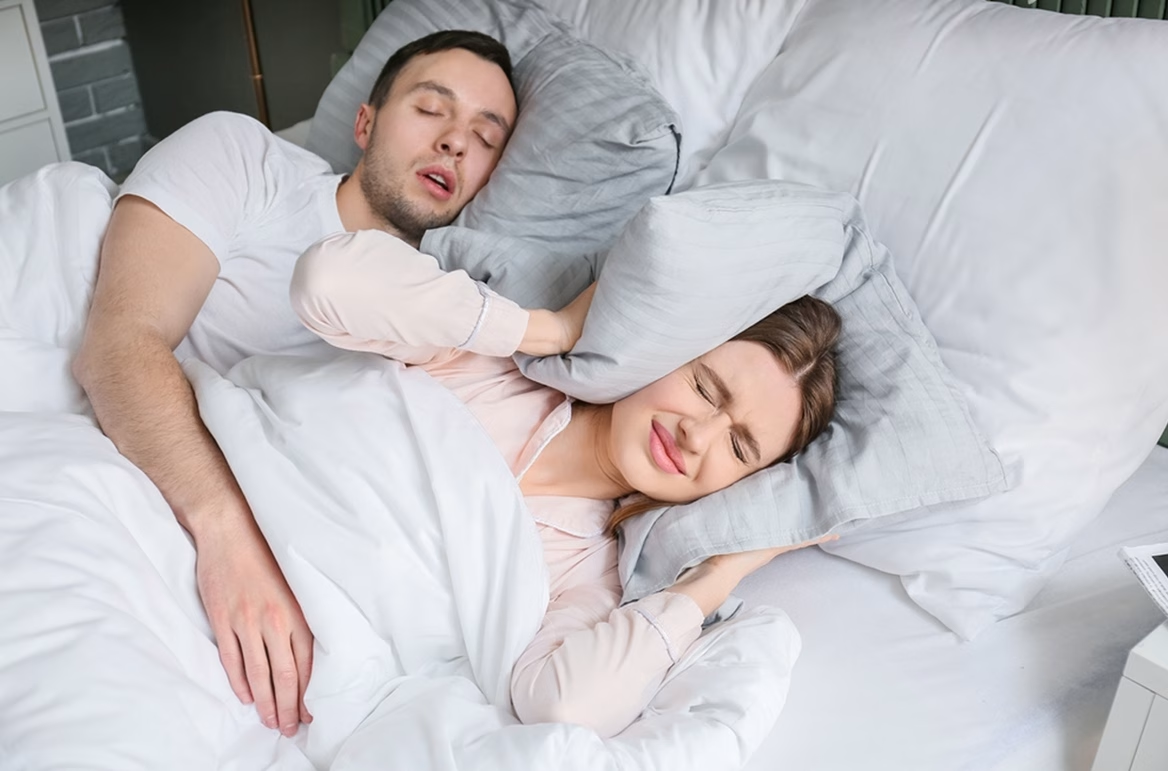

Snoring is a common issue that affects people of all ages. While occasional snoring may not be a cause for concern, frequent or loud snoring can disrupt sleep quality, affect partners and family members, and sometimes indicate an underlying health issue.
Many people who experience persistent snoring eventually begin researching what snoring treatment is and whether professional care may help. The answer depends on the cause of the problem, as snoring can develop for several different reasons.
This guide explains what causes snoring, the treatment options that may be available, and what to expect if you seek professional advice.
What Causes Snoring?
Snoring occurs when airflow is partially restricted during sleep, causing soft tissues in the airway to vibrate. These vibrations create the sound associated with snoring.
A variety of factors can contribute to airway narrowing, including age-related tissue changes, sleeping position, weight gain, nasal congestion, allergies, or anatomical differences within the mouth and throat. In some cases, lifestyle habits such as alcohol consumption before bed may also play a role.
Because the causes vary, the most appropriate treatment often depends on identifying the source of the obstruction.
Is Snoring Ever a Sign of Something More Serious?
Not all snoring is linked to a medical condition, but it can sometimes be associated with obstructive sleep apnoea (OSA).
OSA occurs when the airway repeatedly becomes blocked during sleep, causing interruptions in breathing. People with sleep apnoea may experience symptoms such as excessive daytime tiredness, morning headaches, difficulty concentrating, or waking suddenly during the night gasping for air.
If these symptoms occur alongside regular snoring, it’s best to seek professional assessment rather than assuming the issue is harmless.
What Is Snoring Treatment?
When people ask what is snoring treatment, they’re often expecting a single solution. In reality, treatment refers to a range of approaches designed to improve airflow during sleep and reduce tissue vibration within the airway.
The right option depends on factors such as:
- The severity of the snoring
- Whether sleep apnoea is present
- Airway anatomy
- General health and lifestyle factors
- Previous treatment history
A dental professional or sleep specialist may recommend one treatment or a combination of approaches depending on the findings of an assessment.
Lifestyle Changes That May Help
For some people, relatively simple lifestyle changes can improve symptoms.
A clinician may suggest measures such as maintaining a healthy weight, adjusting your sleeping position, reducing alcohol consumption before bedtime, or addressing nasal congestion. These strategies are often recommended as part of a broader management plan.
Dental Appliances for Snoring
Dentists can sometimes provide custom oral appliances designed to reposition the lower jaw during sleep.
These appliances help maintain a more open airway by moving the jaw slightly forward. For suitable candidates, they may reduce snoring and improve airflow throughout the night.
Laser-Based Snoring Treatments
Advances in dental laser technology have introduced additional options. One example is laser therapy that targets the soft tissues at the back of the mouth and throat. The treatment uses controlled heat to stimulate collagen remodelling, which may help tighten tissues involved in airway obstruction.
Research has shown that laser-based approaches can reduce snoring severity in suitable cases and may improve airway function without the need for surgery.
What Happens During an Assessment?
Before recommending treatment, a clinician will usually investigate the underlying cause of the snoring.
This may involve discussing:
- Sleep quality
- Medical history
- Existing health conditions
- Lifestyle habits
- Symptoms that could indicate sleep apnoea
What Should You Expect After Treatment?
Recovery and aftercare vary depending on the treatment selected.
For oral appliances, there may be a short adjustment period while becoming accustomed to wearing the device while sleeping.
For laser procedures, people can often return to normal activities shortly afterwards, although individual experiences vary. Some temporary throat sensitivity or dryness may occur following treatment.
When Should You Seek Professional Advice?
It’s worth booking an assessment if snoring is affecting your sleep quality, causing excessive daytime tiredness, or disrupting those around you.
Professional advice is particularly important if snoring occurs alongside:
- Pauses in breathing during sleep
- Choking or gasping episodes
- Persistent fatigue
- Morning headaches
- Difficulty concentrating
Finding the Right Treatment Approach
Understanding what snoring treatment is begins with understanding the cause of the problem. While some cases improve through lifestyle changes, others may benefit from dental appliances, laser therapy, or additional medical evaluation.
At Dr Maya Dental Centre, modern dental technology is used to assess airway-related concerns and provide personalised treatment recommendations where appropriate. If persistent snoring is affecting your quality of life, a professional assessment can help identify the cause and determine the most suitable options to manage it.

