
- Posted By Dr. Maya Dental
- Comments 0

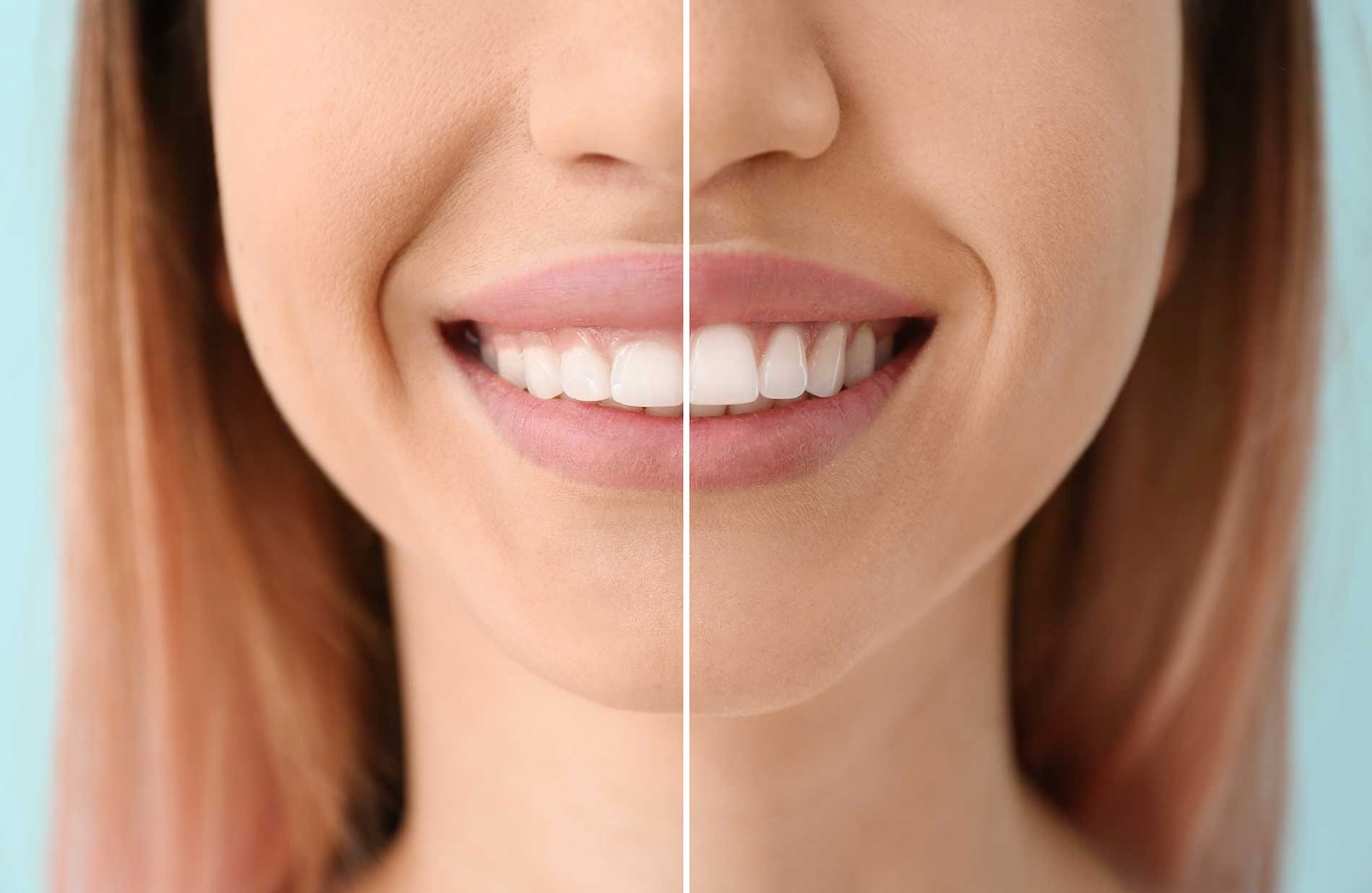
Gum grafting is a dental procedure designed to address gum recession, a common condition where the gum tissue surrounding the teeth pulls back, exposing more of the tooth or its root.
This surgical intervention involves taking gum tissue from another part of the mouth, typically the palate, and grafting it onto the affected area to restore gum coverage, improve oral health, and enhance the appearance of the smile.
What Is Gum Grafting?
Gum grafting is a periodontal surgery performed by a dentist or periodontist to treat gum recession. The procedure aims to cover exposed tooth roots, protect against further gum loss, and prevent complications such as tooth sensitivity or decay. There are three main types of gum grafts, each tailored to the patient’s specific needs:
- Connective Tissue Graft: This is the most common type. Tissue is taken from beneath a flap of skin on the roof of the mouth and stitched to the receding gum area. The flap is then closed to heal.
- Free Gingival Graft: This involves directly removing a small piece of tissue from the palate and attaching it to the affected site. It’s often used when thicker gum tissue is needed.
- Pedicle Graft: Instead of taking tissue from the palate, this method uses a flap of gum tissue near the affected area, which is partially cut and stretched to cover the exposed root. This is suitable for patients with sufficient gum tissue nearby.
In some cases, donor tissue or synthetic materials may be used instead of the patient’s own tissue, depending on the situation and the dentist’s recommendation.
Why Does Gum Recession Happen?
Gum recession occurs when the gum tissue gradually wears away, exposing the tooth root. Several factors can contribute to this condition:
- Periodontal Disease: The leading cause of gum recession, periodontal disease (such as gingivitis or periodontitis) results from bacterial infections that damage gum tissue and the supporting bone.
- Aggressive Brushing: Brushing too hard or using a toothbrush with stiff bristles can erode gum tissue over time.
- Poor Oral Hygiene: Inadequate brushing and flossing can lead to plaque buildup, which may progress to gum disease and recession.
- Genetics: Some individuals are predisposed to thinner gum tissue, making them more susceptible to recession.
- Tobacco Use: Smoking or chewing tobacco can reduce blood flow to the gums, impairing their ability to heal and maintain healthy tissue.
- Teeth Misalignment: Crooked or misaligned teeth can place uneven pressure on gums, leading to recession in specific areas.
- Trauma or Injury: Physical damage to the gums, such as from dental appliances or injury, can cause tissue loss.
Why Might You Need Gum Grafting?
Gum grafting is often recommended when gum recession poses risks to oral health or affects the aesthetics of the smile. Here are the primary reasons a dentist might suggest this procedure:
Protecting Tooth Roots: Exposed roots are more prone to decay and sensitivity to hot, cold, or sweet foods. Grafting covers these roots, reducing discomfort and protecting against cavities.
Preventing Further Recession: By reinforcing the gum line, grafting halts the progression of recession and protects surrounding tissues.
Improving Aesthetics: Receding gums can make teeth appear longer or uneven, affecting the smile’s appearance. Grafting restores a natural gum line for a more balanced look.
Reducing Risk of Bone Loss: Gum recession can lead to bone loss around the teeth, weakening their support. Grafting helps stabilize the area and preserve bone structure.
Enhancing Oral Health: Healthy gums are essential for overall oral health. Grafting can reduce the risk of complications associated with gum disease.
What to Expect During and After the Procedure
Gum grafting is typically performed under local anesthesia, ensuring the patient feels minimal discomfort during the procedure. The surgery usually takes one to two hours, depending on the extent of the recession and the type of graft used. After the procedure, patients may experience mild discomfort, swelling, or sensitivity, which can be managed with prescribed pain relievers and a soft diet.
Recovery generally takes one to two weeks. During this time, patients are advised to avoid strenuous activity, follow a soft-food diet, and maintain proper oral hygiene without disturbing the graft site. Regular follow-up visits with the dentist ensure proper healing and monitor the graft’s success.
Is Gum Grafting Right for You?
If you notice symptoms of gum recession, such as tooth sensitivity, longer-looking teeth, or visible roots, consult a dentist or periodontist. They will evaluate your oral health, assess the extent of recession, and determine if gum grafting is necessary. Early intervention can prevent further complications and improve long-term outcomes.
Visit Dr. Maya Dental Center for Gum Grafting in Dubai
Dr. Maya Dental Center in Dubai has a team of experienced dentists and periodontists who specialize in gum grafting procedures. With state-of-the-art technology and personalized care, our goal is to restore your gum health and give you a beautiful, confident smile.
Our team will thoroughly explain the process and answer any questions or concerns you may have before proceeding with treatment. Schedule your appointment today.

